|
Taerim Yoon I am a postdoctoral researcher at ETH Zurich 🇨🇭, jointly affiliated with the Computational Robotics Lab (CRL) led by Prof. Stelian Coros and the Computer Vision and Learning Group (VLG) led by Prof. Siyu Tang. I received my Ph.D. in Artificial Intelligence from Korea University 🇰🇷, advised by Prof. Sungjoon Choi. My research aims at lifelike robots that live and work in human-centered environments. I develop robots that learn physical skills from the movements of animals and people and act according to those around them, spanning legged locomotion, whole-body dexterity, and multimodal human-robot interaction. |
|
|
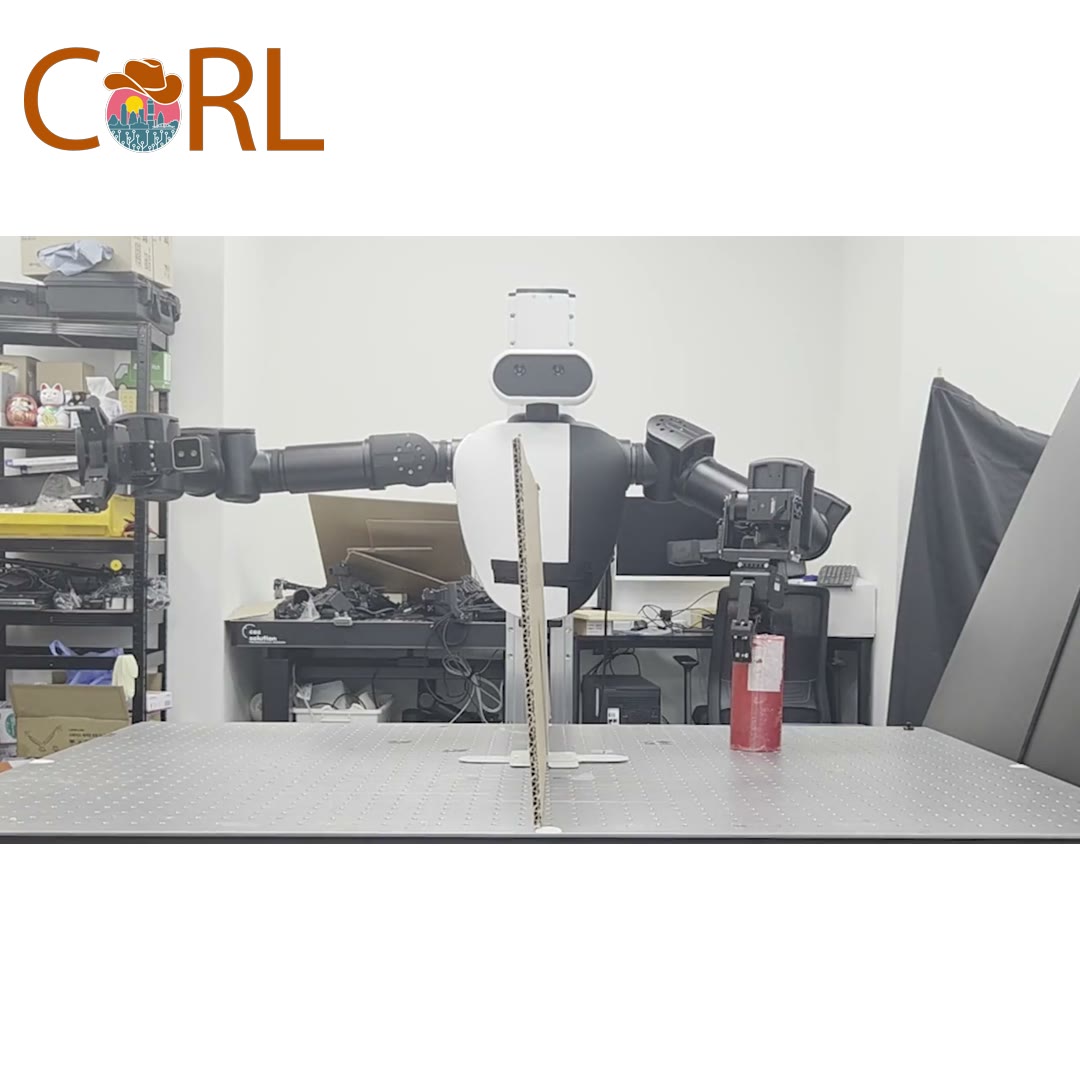
Learning Unions of Convex Sets via Invertible Latent Decomposition for Path Planning
Taerim Yoon, Dongho Kang, Kisang Park, Junha Cha, Stelian Coros, Sungjoon Choi Conference on Robot Learning (CoRL), 2026 project page / arXiv / video We learn an invertible mapping that warps the configuration space into a latent space where the collision-free region becomes a union of convex polytopes. Planning over these explicit convex sets with a Graph of Convex Sets solver yields fast, feasibility-preserving paths, and the explicit boundaries can be refined at test time. Demonstrated on 2D navigation, 6-DoF reaching, and real-time 14-DoF bimanual manipulation.
|
|
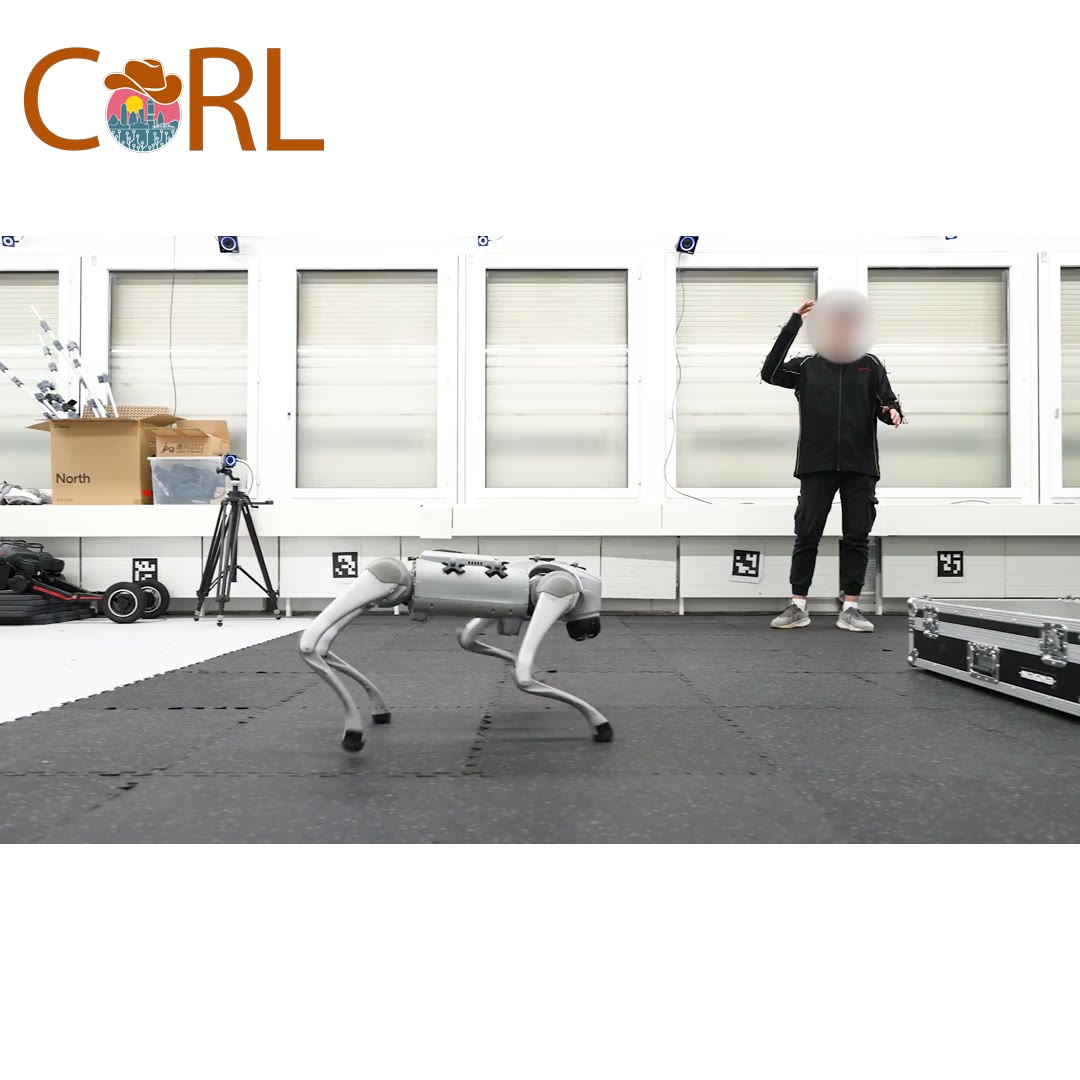
Teaching Robots Like Dogs: Learning Agile Navigation from Luring, Gesture, and Speech
Taerim Yoon, Dongho Kang, Jin Cheng, Fatemeh Zargarbashi, Yijiang Huang, Minsung Ahn, Stelian Coros, Sungjoon Choi Conference on Robot Learning (CoRL), 2026 project page / arXiv / video A human-in-the-loop framework that teaches legged robots agile navigation behaviors from luring, gestures, and speech, the way one would train a dog. Interaction scenes are reconstructed in physics-based simulation to augment limited demonstrations, and a progressive goal cueing strategy aligns the learned behaviors with multimodal human commands.
|
|
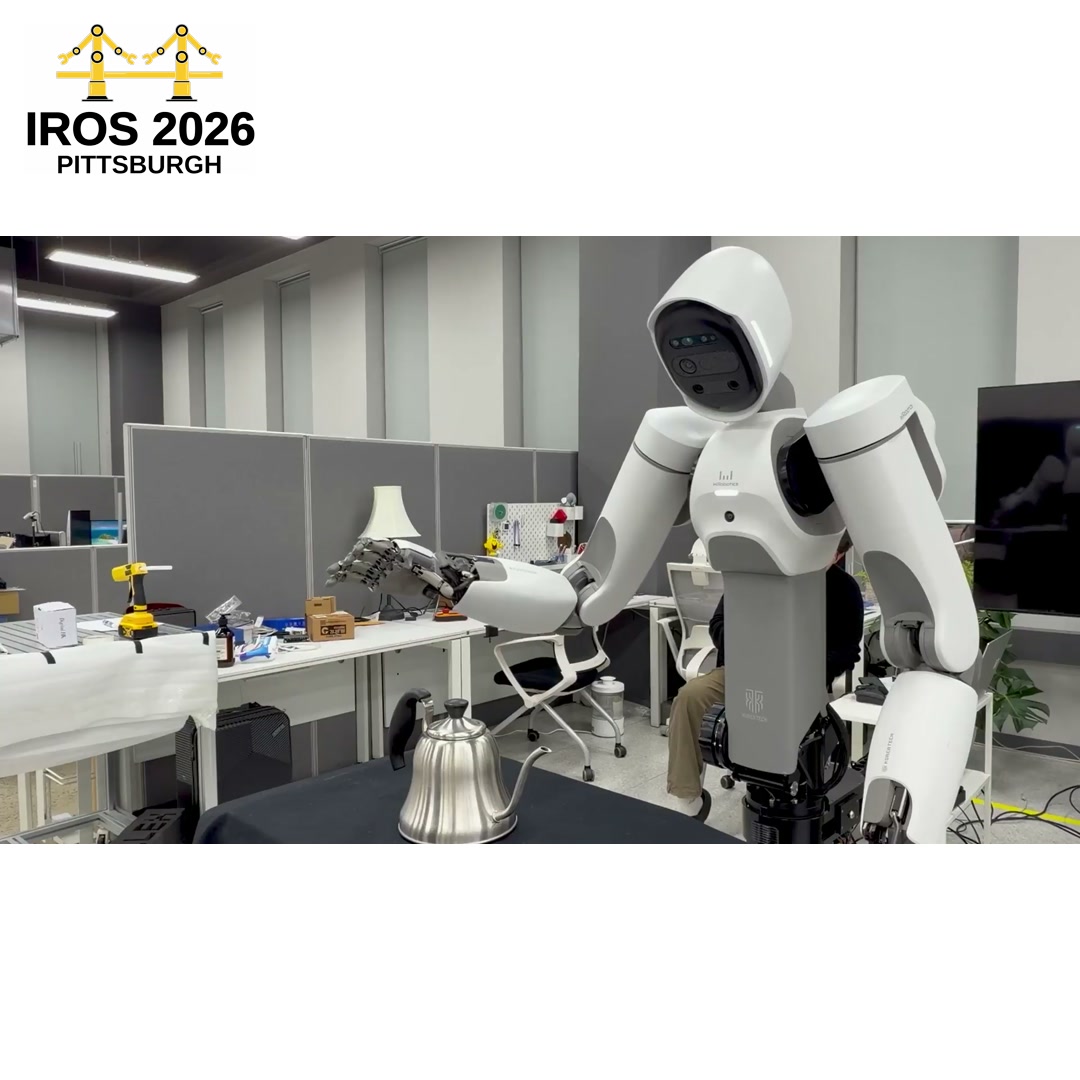
Learning Dexterous Grasping from Sparse Taxonomy Guidance
Juhan Park, Taerim Yoon, Seungmin Kim, Joonggil Kim, Wontae Ye, Jeongeun Park, Yoonbyung Chai, Geonwoo Cho, Geunwoo Cho, Dohyeong Kim, Kyungjae Lee, Yongjae Kim, Sungjoon Choi IROS, 2026 project page / arXiv / video GRIT is a two-stage framework that learns dexterous grasping from sparse taxonomy guidance: it first predicts a taxonomy-based grasp specification from the scene and task, then a policy conditioned on this sparse command generates continuous multi-finger control. This keeps the controller steerable by users while avoiding dense pose or contact targets for every object and task.
|
|
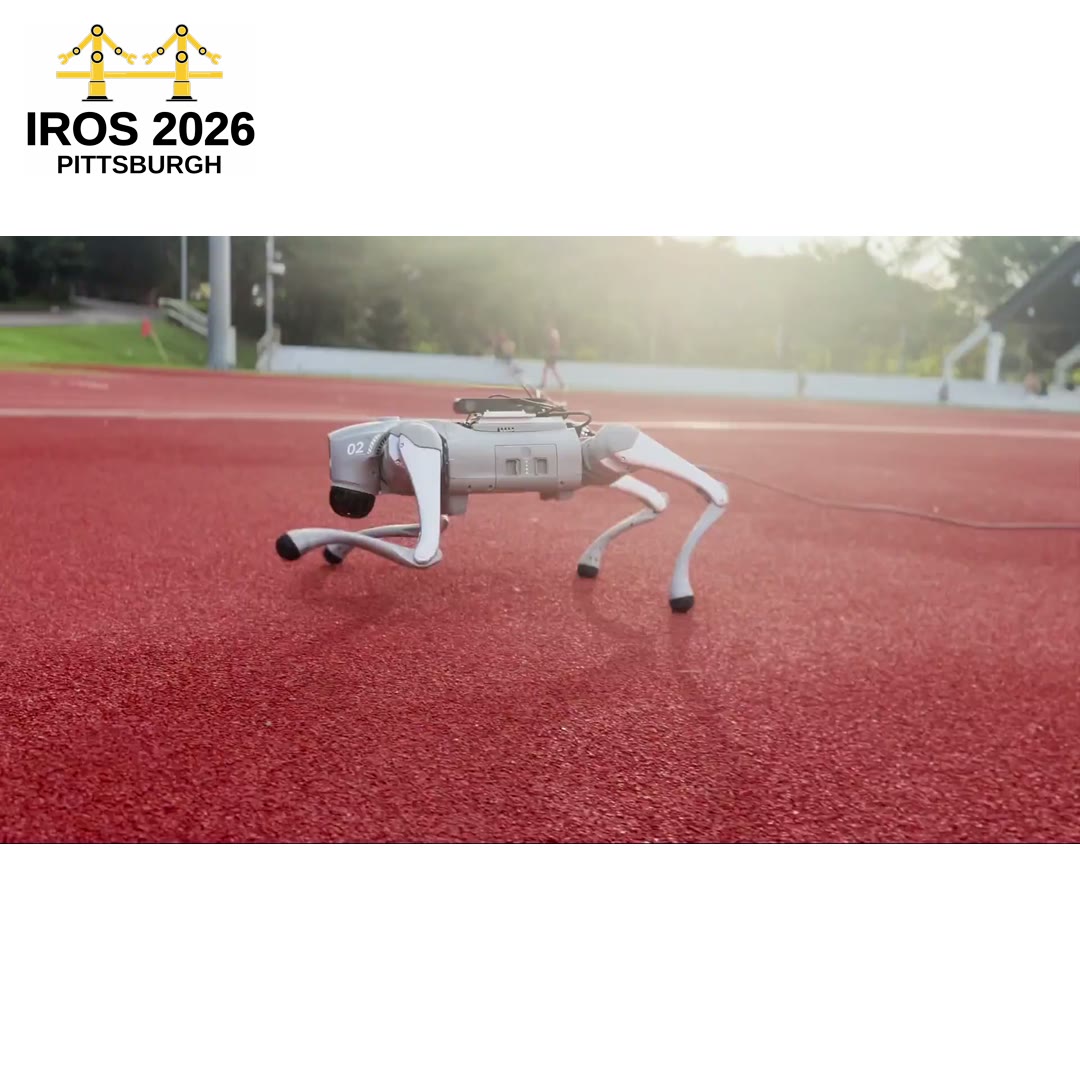
APEX: Action Priors Enable Efficient Exploration for Robust Motion Tracking on Legged Robots
Shivam Sood, Laukik Nakhwa, Sun Ge, Yuhong Cao, Jin Cheng, Fatemeh Zargarbashi, Taerim Yoon, Sungjoon Choi, Stelian Coros, Guillaume Sartoretti IROS, 2026 project page / arXiv / video / code APEX is a plug-and-play extension to motion tracking algorithms that integrates expert demonstrations into reinforcement learning through decaying action priors. It removes any dependence on reference data at deployment, improves sample efficiency, and reduces tuning effort, yielding robust, animal-like locomotion on legged robots.
|
|
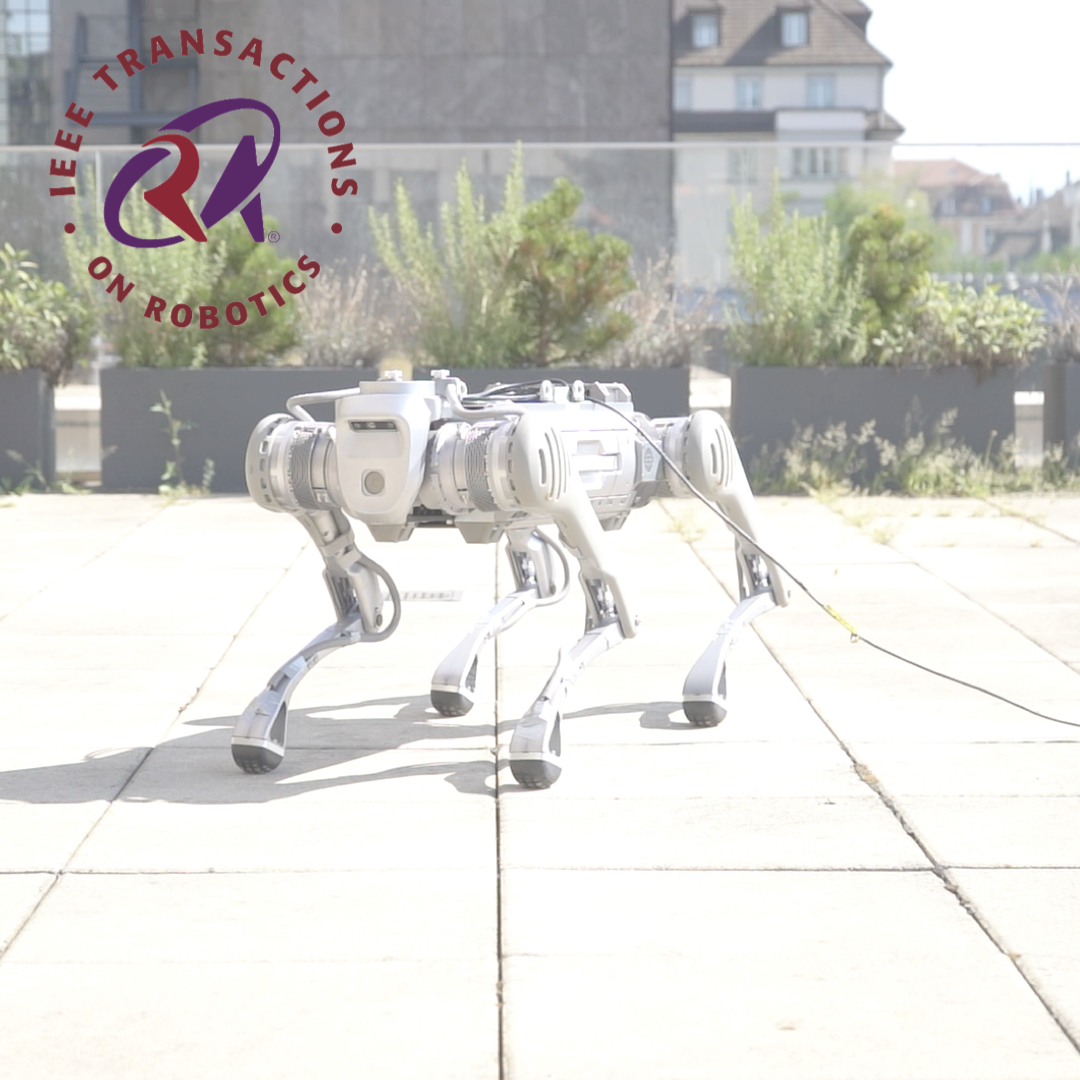
Spatio-Temporal Motion Retargeting for Quadruped Robots
Taerim Yoon, Dongho Kang, Seungmin Kim, Jin Cheng, Minsung Ahn, Stelian Coros, Sungjoon Choi Transactions on Robotics (TR-O), 2025 project page / arXiv / video Our method enables terrain-aware motion retargeting and time-critical skills such as BackFlip and HopTurn from noisy inputs, including videos or physics-ignorant kinematic frames, and successfully deploys them on real robots.
|
|
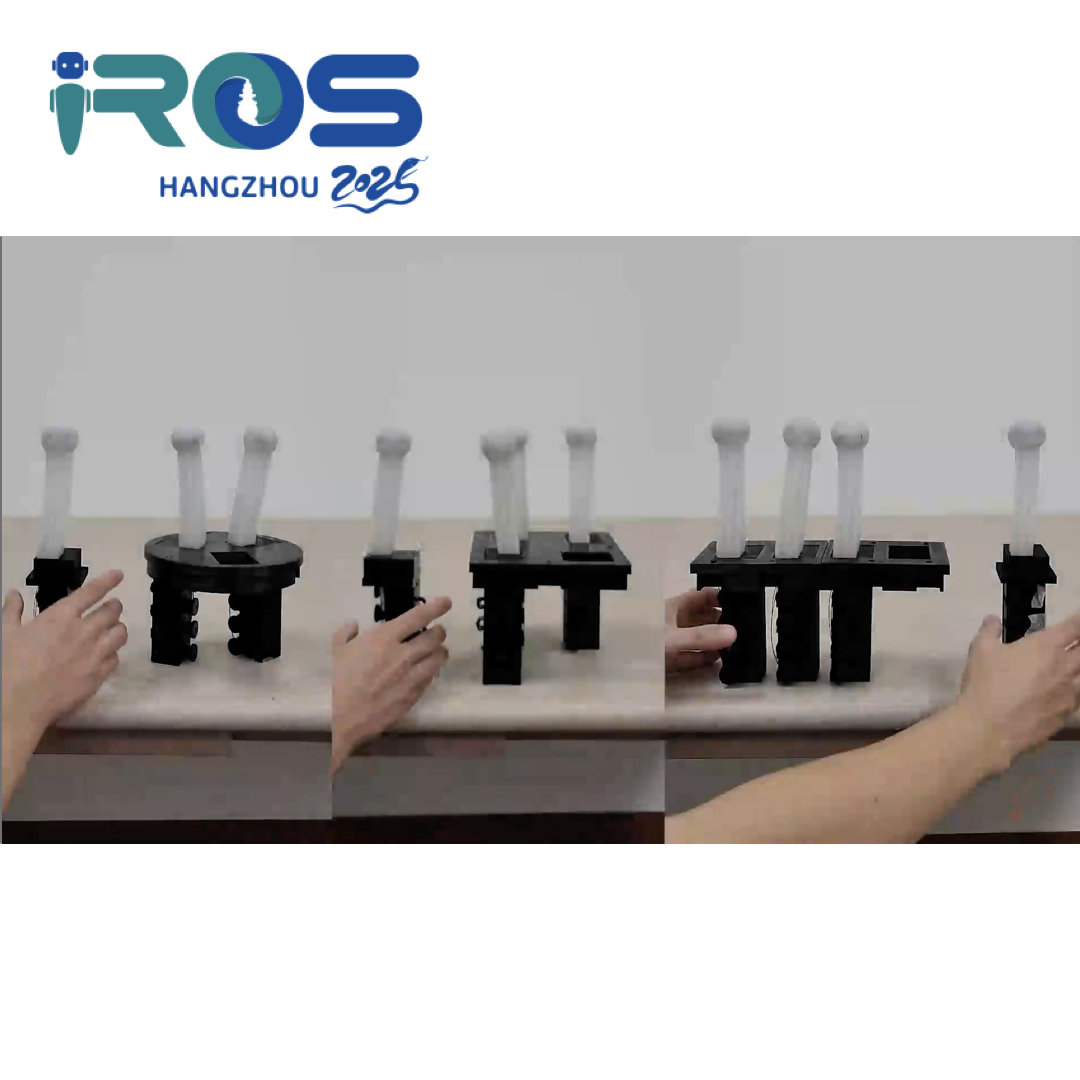
High DOF Tendon-Driven Soft Hand: A Modular System for Versatile and Dexterous Manipulation
Yeonwoo Jang, Hajun Lee, Junghyo Kim, Taerim Yoon, Yoonbyun Chai, Heejae Won, Sungjoon Choi Jiyun Kim IROS, 2025 project page We present a modular high-DOF tendon-driven soft finger and customizable soft hand system capable of diverse dexterous manipulation tasks. By integrating an all-in-one actuation module and enabling flexible finger arrangements, our design supports versatile, task-oriented soft robotic platforms.
|
|
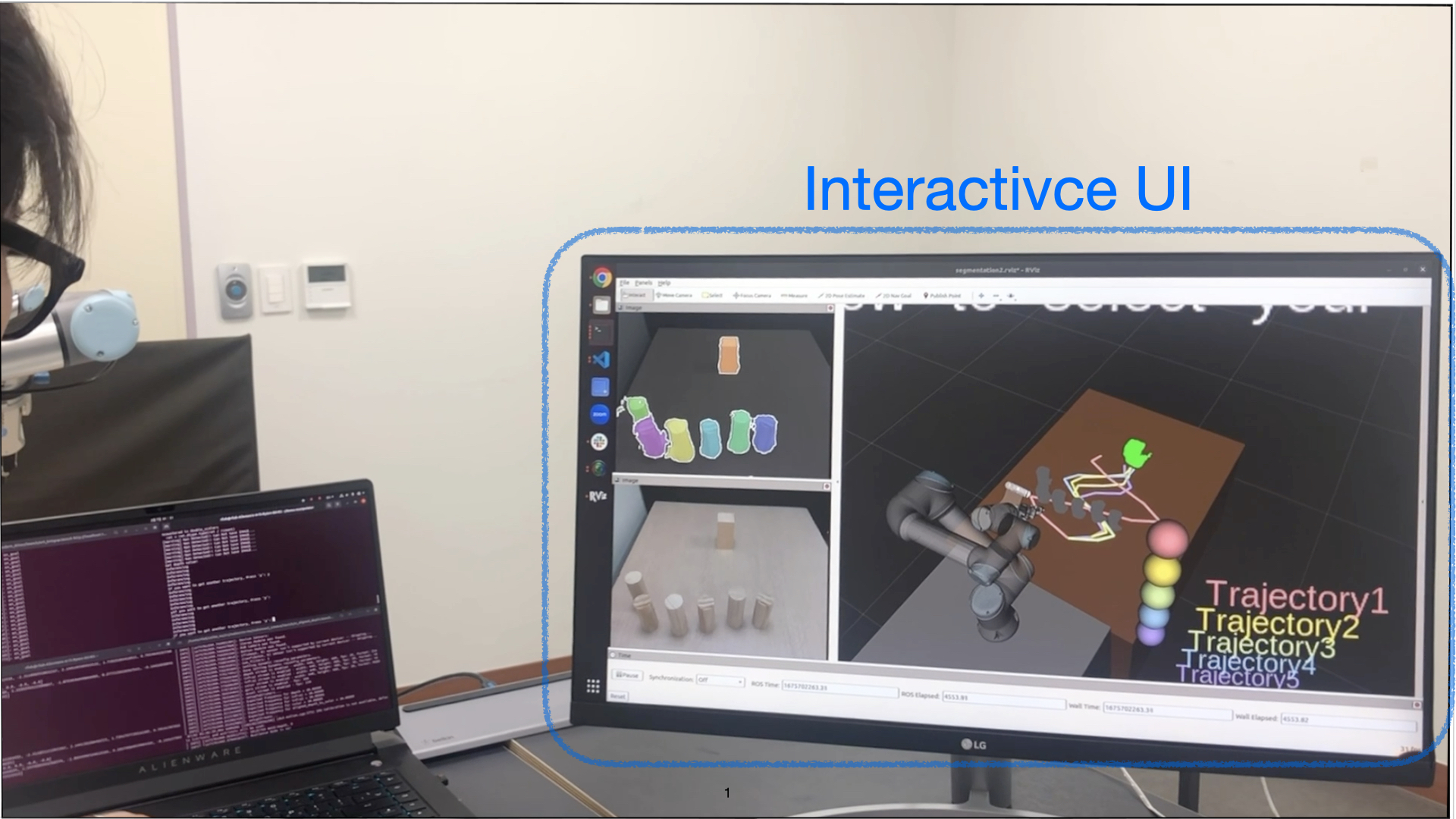
Quality-Diversity based Semi-Autonomous Teleoperation Using Reinforcement Learning
Sangbeom Park, Taerim Yoon, Joonhyung Lee, Sunghyun Park, Sungjoon Choi Neural Networks, 2024 project page / paper Our goal is to find the right level of autonomy between humans and robots. Fully autonomous control can reduce user controllability, while fully manual control can be burdensome. To address this, we propose a framework that allows the robot to suggest a diverse set of high-quality trajectory options, enabling the user to guide the robot more effectively.
|
|
Kinematics-Informed Neural Networks: Enhancing Generalization Performance of Soft Robot Model Identification
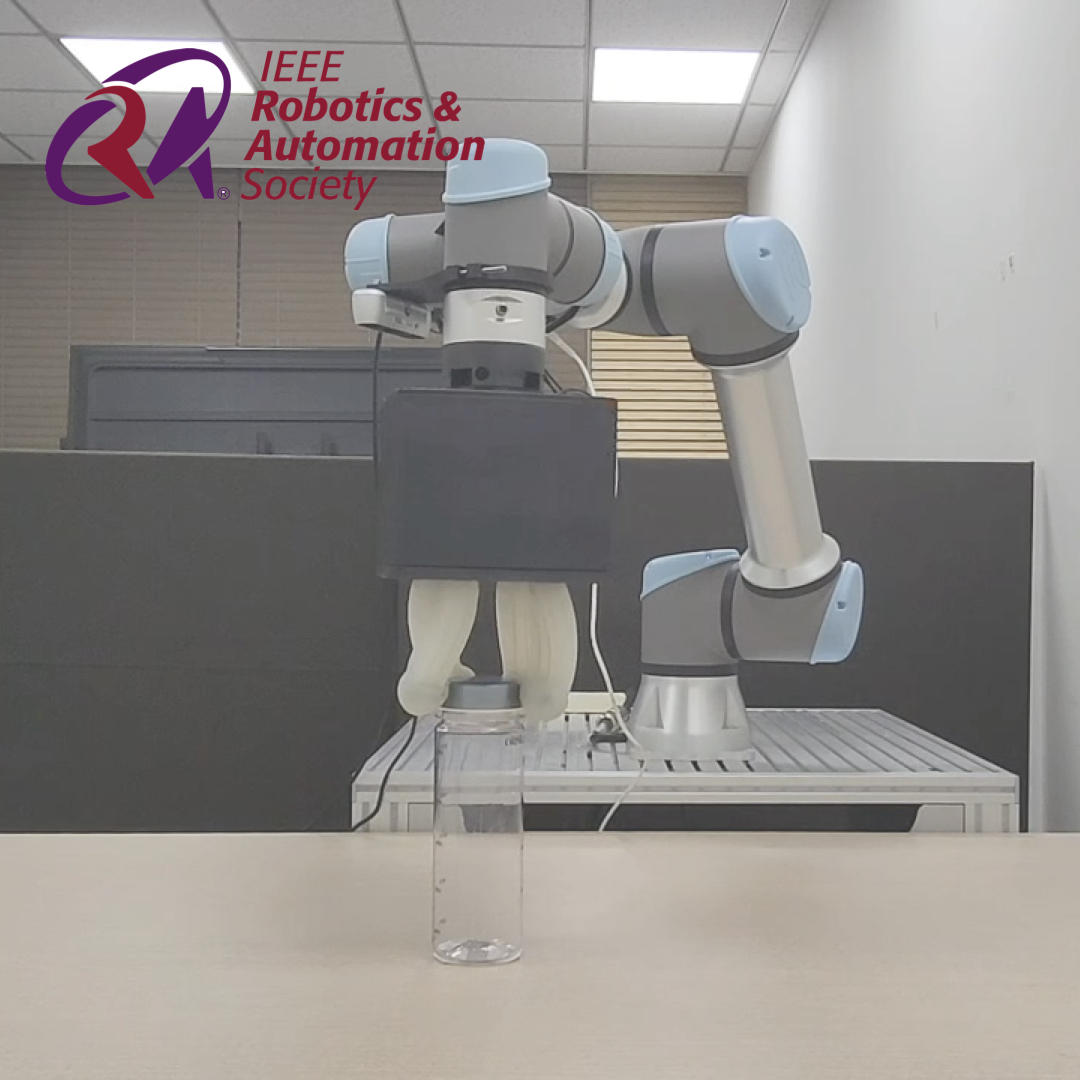
Taerim Yoon, Yoonbyung Chai, Yeonwoo Jang, Hajun Lee, Junghyo Kim, Jaewoon Kim, Jiyun Ki, Sungjoon Choi Robotics Automation Letters (RA-L), 2024 project page / paper We propose a kinematics-informed neural network (KINN) that enables safe, dexterous, and unified control of hybrid rigid-soft robots by combining rigid body priors with data-driven learning.
|

|
Zero-shot Active Visual Search (ZAVIS): Intelligent Object Search for Robotic Assistants
Jeongeun Park, Taerim Yoon, Jejoon Hong, Youngjae Yu, Matthew Pan, Sungjoon Choi ICRA, 2023 project page / paper / arXiv / video This work introduces Zero-shot Active Visual Search (ZAVIS), a system that enables a robot to search for user-specified objects using free-form text and a semantic map of landmarks. By leveraging commonsense co-occurrence and predictive uncertainty, ZAVIS improves search efficiency and outperforms prior methods in both simulated and real-world environments. |
ProjectsUnpublished, yet interesting projects that I have worked on. |

|
Walk Like Dogs: Learning Steerable Imitation Controllers for Legged Robots from Unlabeled Motion Data
Dongho Kang, Jin Cheng, Fatemeh Zargarbashi, Taerim Yoon, Sungjoon Choi, Stelian Coros arXiv, 2025 project page / arXiv Our method enables terrain-aware motion retargeting and time-critical skills such as BackFlip and HopTurn from noisy inputs, including videos or physics-ignorant kinematic frames, and successfully deploys them on real robots.
|

|
Project: Parkour
Taerim Yoon, Dongho Kang, Jin Cheng, Flavio De Vincenti, Hélène Stefanelli, Sungjoon Choi, Stelian Coros ETH Summer Fellowship, 2024 LinkedIn (Full Video) Using reinforcement learning, we train a quadruped robot to perform parkour skills such as jumping over and between obstacles. |